Dietary Diversity and Gut Health Links
A comprehensive scientific overview of how dietary diversity influences microbiome composition, community structure, and the complex interactions between diet and host physiology.
The Microbiome Ecosystem
The human gut microbiome comprises trillions of microorganisms, including bacteria, archaea, fungi, and viruses. These microorganisms form a complex ecosystem with intricate ecological relationships. The total microbial biomass is estimated at 1–2 kg in the adult human gut, representing a substantial proportion of total human cell count.
The microbiome performs numerous functions critical to host health, including nutrient metabolism, production of short-chain fatty acids, immune system development and modulation, and production of bioactive metabolites. The composition and diversity of this community significantly influence these functions.
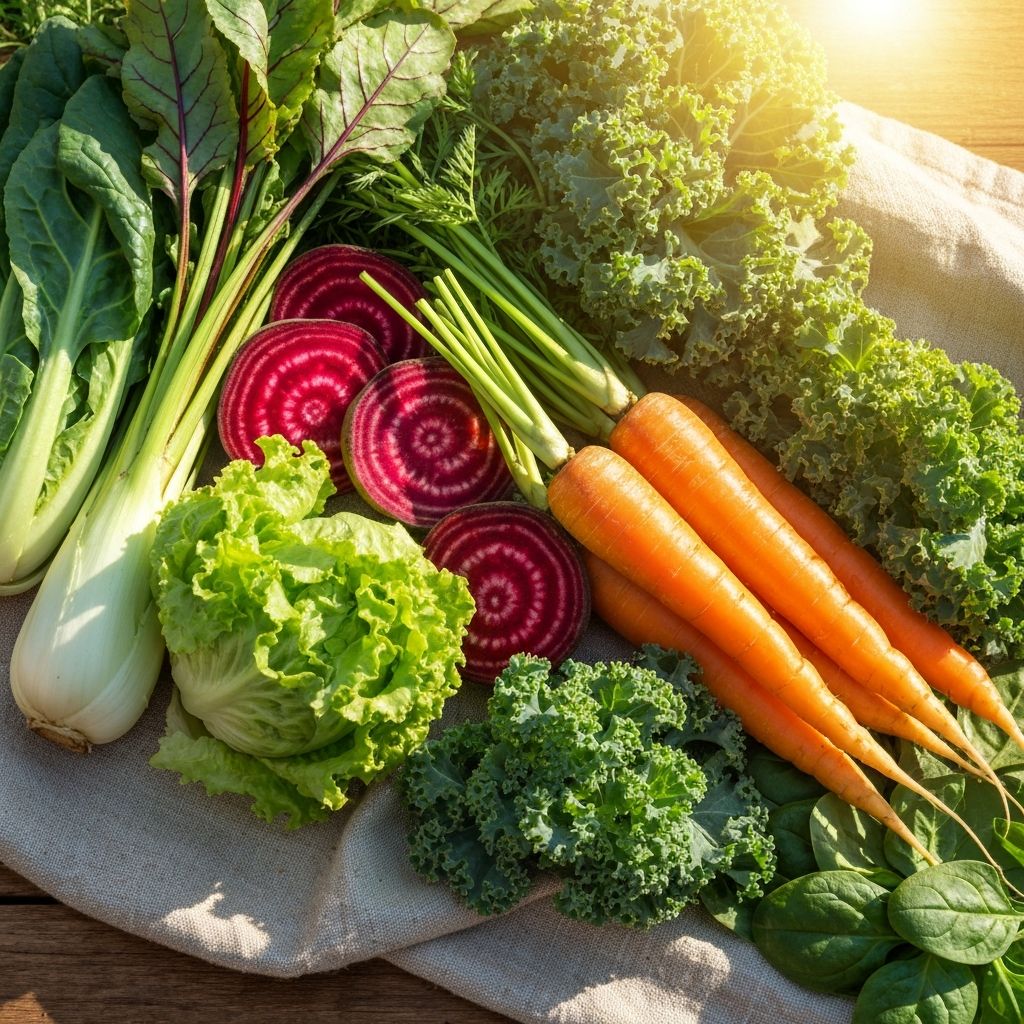
Dietary Diversity as a Driver of Microbiome Composition
Different plant-based foods provide distinct combinations of dietary fibres, polyphenols, and other non-digestible compounds that serve as substrates for microbial fermentation. The diversity of available food substrates supports the growth of diverse microbial communities with different metabolic capabilities.
Populations consuming high-diversity diets typically show higher microbiome species richness and diversity compared to populations with more limited dietary variety. This relationship is particularly strong for plant-based food diversity, as different plant species provide distinct microbial substrates.
Short-Chain Fatty Acid Production
Short-chain fatty acids (SCFAs)—primarily butyrate, propionate, and acetate—are produced when gut bacteria ferment dietary fibre. Butyrate, in particular, serves as the primary energy source for colonocytes (intestinal epithelial cells) and has broad effects on intestinal function and systemic physiology.
Microbiome Stability and Resilience
A diverse microbiome demonstrates greater functional redundancy—multiple bacterial species can perform similar metabolic functions. This redundancy supports system stability: if one species is reduced, others can compensate for lost metabolic activities. Less diverse microbiomes are more vulnerable to disruption from dietary changes or other perturbations.
Temporal stability of microbiome composition varies among individuals. Some research suggests that more diverse microbiomes show greater stability over time, while less diverse microbiomes show more dramatic compositional fluctuations. This stability may have implications for overall physiological stability.
Fibre and Plant Diversity
Dietary fibre from diverse plant sources supports microbiome diversity. Different plant species provide distinct types of fibre (soluble, insoluble, resistant starch) and associated compounds. A diverse portfolio of plant foods ensures a diverse array of microbial substrates and supports a more diverse microbial community.
Microbiome and Host Physiology
Beyond local intestinal effects, the microbiome influences systemic host physiology through multiple mechanisms. Bacterial metabolites including SCFAs and other bioactive compounds are absorbed and influence systemic metabolism, immune function, and neurological signalling. The gut-brain axis involves bidirectional communication between the microbiome and central nervous system.
Microbiome composition has been associated with metabolic variables, immune markers, inflammatory status, and various health markers. However, causality in these associations is often unclear, and considerable individual variation exists in the relationships between microbiome composition and health outcomes.
Individual Variation
There is substantial individual variation in baseline microbiome composition and in how individual microbiomes respond to dietary changes. Genetics, age, medications, previous dietary history, and other factors all influence microbiome structure. This variation means that dietary interventions produce heterogeneous microbiome responses across different individuals.
Important Context
This article presents scientific information about microbiome ecology and the relationships between dietary diversity and microbiome composition. It is provided for educational purposes only and does not constitute individual nutritional advice. Relationships between microbiome composition and health outcomes are complex and not fully understood. Individual microbiome responses to dietary changes vary considerably. Individuals should consult qualified professionals for personalised dietary guidance.