
Energy Storage & Utilisation Basics
The human body manages energy intake and expenditure through intricate physiological processes. Dietary energy from food is either utilised immediately for bodily functions or stored for later use. Understanding how different nutrients are processed, stored, and mobilised forms the foundation of body composition science.
This fundamental principle underpins how the body maintains metabolic homeostasis. The interplay between carbohydrates, proteins, and fats determines energy availability, cellular function, and long-term physiological outcomes.
Read the in-depth article
Insulin Sensitivity Concepts
Insulin plays a central role in nutrient partitioning and metabolic regulation. Insulin sensitivity—the degree to which cells respond to insulin signalling—influences how dietary glucose is handled and distributed throughout the body. This concept is fundamental to understanding metabolic flexibility and energy management.
The body's insulin response varies based on factors including nutrient composition, meal timing, physical activity patterns, and individual metabolic characteristics. A comprehensive understanding of these dynamics provides context for broader nutritional science principles.
Dietary Fat Roles

Essential Fatty Acids
Omega-3 and omega-6 fatty acids are integral to cell membrane structure, inflammation regulation, and neurological function.
Membrane Integrity
Dietary lipids contribute directly to the phospholipid bilayer, influencing cellular fluidity, permeability, and signalling capacity.
Hormone Production
Cholesterol and other lipids serve as precursors for steroid hormones, vitamin D metabolites, and signalling molecules.
Nutrient Absorption
Dietary fat facilitates the absorption of fat-soluble vitamins and supports the transport of lipophilic compounds.
Protein Synthesis Overview
Protein synthesis is a continuous physiological process in which amino acids are assembled into new proteins according to genetic instructions. This process is regulated by nutrient availability, hormonal status, and mechanical stimulus. Understanding protein turnover provides insight into how dietary protein supports tissue maintenance and adaptation.
Amino acid availability, mTOR signalling, and muscle protein breakdown are key variables in this complex system. The body maintains a dynamic equilibrium between protein synthesis and degradation, with dietary protein intake serving as one critical input variable.
Metabolic Flexibility Explained
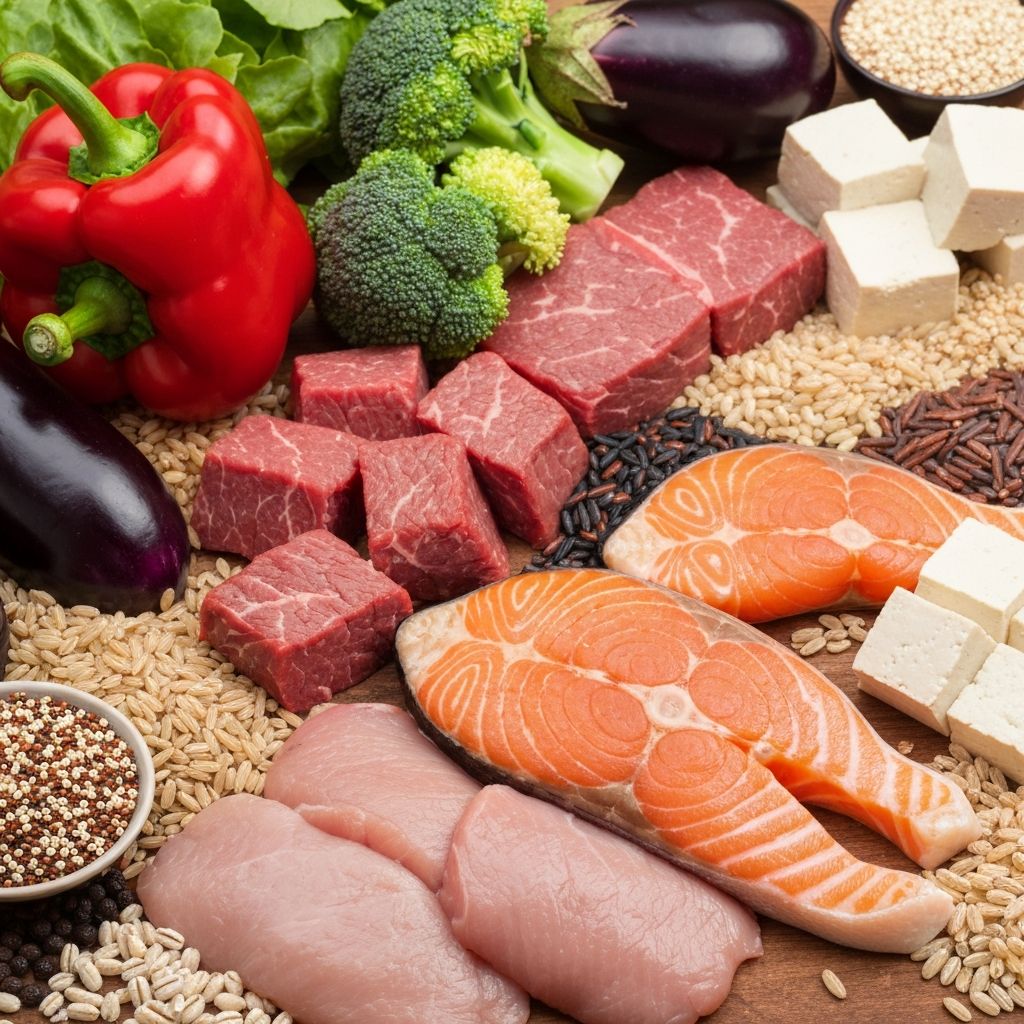
Metabolic flexibility refers to the body's capacity to shift between fuel sources—carbohydrates, fats, and proteins—based on availability and physiological demand. This adaptive capacity is a hallmark of metabolic health and influences how efficiently the body utilises energy substrates.
The ability to seamlessly transition between fuel oxidation patterns is supported by mitochondrial function, enzymatic capacity, and hormonal signalling. Regular variations in dietary macronutrient composition may enhance this adaptive capacity.
Explore this furtherBalanced Nutrition Insights

Energy Balance
Comprehensive examination of how intake and expenditure dynamics influence metabolic outcomes and physiological regulation.
Continue with the explanationInsulin Response
Neutral overview of how different nutrients trigger and modulate insulin secretion and metabolic partitioning processes.
Continue with the explanationFatty Acids
In-depth analysis of essential fatty acids, their sources, and their critical roles in physiological function.
Continue with the explanationProtein Turnover
Detailed exploration of amino acid metabolism, protein synthesis rates, and tissue remodelling processes.
Continue with the explanationFuel Switching
Evidence-based review of metabolic flexibility mechanisms and the adaptive capacity of human metabolism.
Continue with the explanationGut Diversity
Scientific context on how dietary diversity influences microbiome composition and host health outcomes.
Continue with the explanationGut Microbiome & Food Variety
The human gut microbiome comprises trillions of microorganisms that play critical roles in nutrient metabolism, immune function, and gut barrier integrity. Dietary diversity—the variety of foods consumed—is a primary driver of microbiome species diversity.
A diverse microbiome is associated with greater functional resilience and metabolic flexibility. Different food sources, particularly plant-based whole foods, provide distinct microbial substrates that support the growth of diverse bacterial populations, which in turn influences overall physiological function.
Discover related concepts
Common Questions
Metabolic flexibility is the ability of the body to efficiently switch between different fuel sources—carbohydrates, fats, and proteins—based on their availability and physiological demands. This capacity is supported by mitochondrial enzyme systems and hormonal regulation.
Insulin sensitivity determines how effectively cells take up and utilise glucose from the bloodstream. Higher insulin sensitivity allows for more efficient glucose uptake by muscle and storage as glycogen, while reduced sensitivity may alter the distribution of glucose between tissues.
Essential fatty acids (EPA, DHA, and ALA) cannot be synthesised by the human body and must be obtained from food sources. They are critical for cell membrane structure, neurological function, inflammation regulation, and the production of signalling molecules.
Protein synthesis requires adequate amino acid availability. Dietary protein provides these amino acids, and adequate intake is necessary to support tissue maintenance and adaptation. However, total amino acid availability depends on both dietary intake and the body's own protein breakdown processes.
Dietary diversity supports a diverse microbiome, which is associated with greater functional capacity, improved metabolic flexibility, and enhanced resilience. Different foods provide distinct nutrients and microbial substrates that support overall health.
Deepen Your Understanding
Explore our comprehensive collection of educational articles on nutrition science and body composition fundamentals.
Explore this topic further